























Frequently Asked Questions about Used Vans Alexandria, VA
What is the difference between a minivan and a cargo van?
A minivan is built around passengers, with folding seats and sliding rear doors, while a cargo van is built around a load floor and normally has nothing behind the front seats. They look similar from a distance and suit completely different buyers.
Are used minivans practical on narrow streets?
They are longer than a crossover, but the sliding doors make tight parking easier rather than harder, which surprises people. The real constraint in Alexandria is overhead clearance where you park, so check that before anything else.
Is a used van a sensible vehicle for a small business?
Plenty of trades and delivery operations around Alexandria run on used vans, because the purchase price is far lower than new and the work does not care about the model year. What matters is the condition of the load floor, the doors and the suspension.
Should I buy an extended service plan on a used van?
It depends on how hard the van will be worked. A vehicle covering serious distance with a family aboard is a better candidate than one making short local trips, and the exclusions list tells you more than the headline coverage does.
What wears out first on a used van?
Sliding door mechanisms and rear suspension components tend to go before anything else, followed by the interior surfaces that took the abuse. Ask what has already been repaired, because on a van that history is genuinely useful.
Have Additional Questions?
Around Alexandria, the van question is usually settled by where you park rather than by what you carry.
If you can tell us the space you are working with and what has to fit inside it, we can narrow this down to a handful of vehicles quickly.
Send that over to Safford Mazda Alexandria and we will come back with something realistic.
Vans in a City That Was Not Built for Them
Alexandria is not an obvious van city. Streets are narrow, parking spaces are short, and plenty of buildings have an entrance that rules out anything tall. And yet vans do a job here that nothing else does, which is why people keep buying them.
Families with more than two children run out of sedan quickly. Contractors and delivery operations working the older neighborhoods need something they can load while standing up. Both groups end up looking at vans for reasons that have nothing to do with styling.
- Vans measured against a low garage entrance first
- Neighborhood loading and unloading taken into account
- Height treated as a hard limit and length as a preference
The trick locally is choosing one you can live with parked. Height usually decides it rather than length, since a low entrance is an absolute limit while a long space is only an inconvenience. Settle that first and the rest of the decision gets much easier.
Safford Mazda Alexandria sells vans to Alexandria households and to Alexandria businesses, and those two conversations look nothing alike. Say which one you are and we will skip the half of the lot that is irrelevant to you.
Two Very Different Kinds of Van
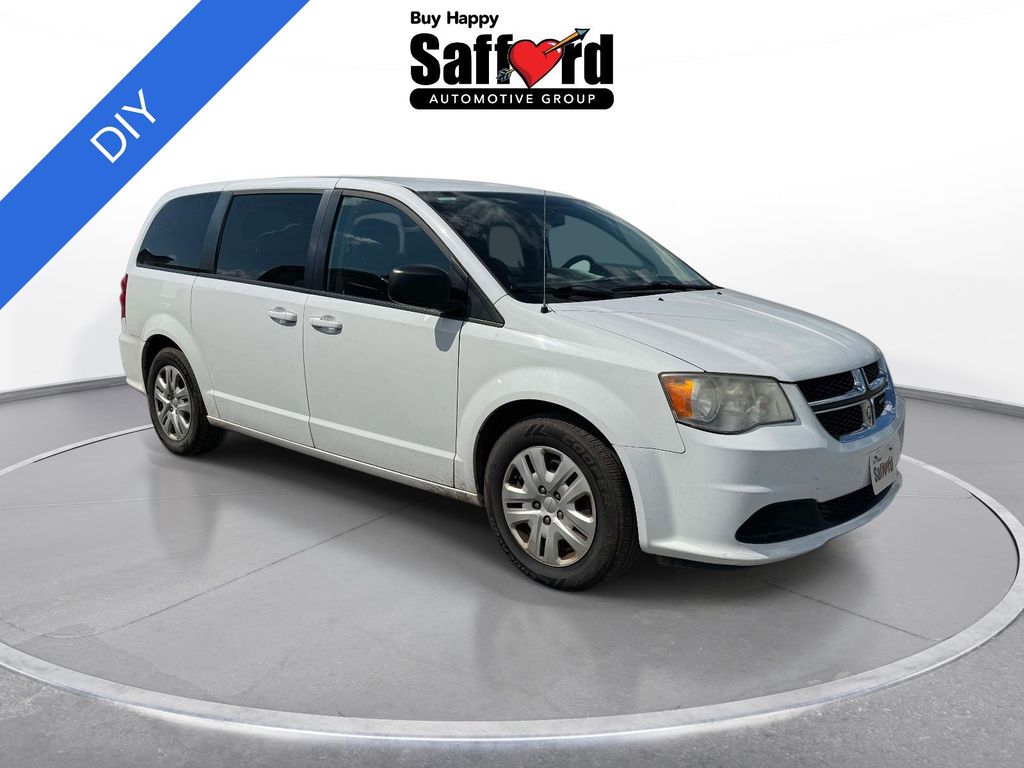
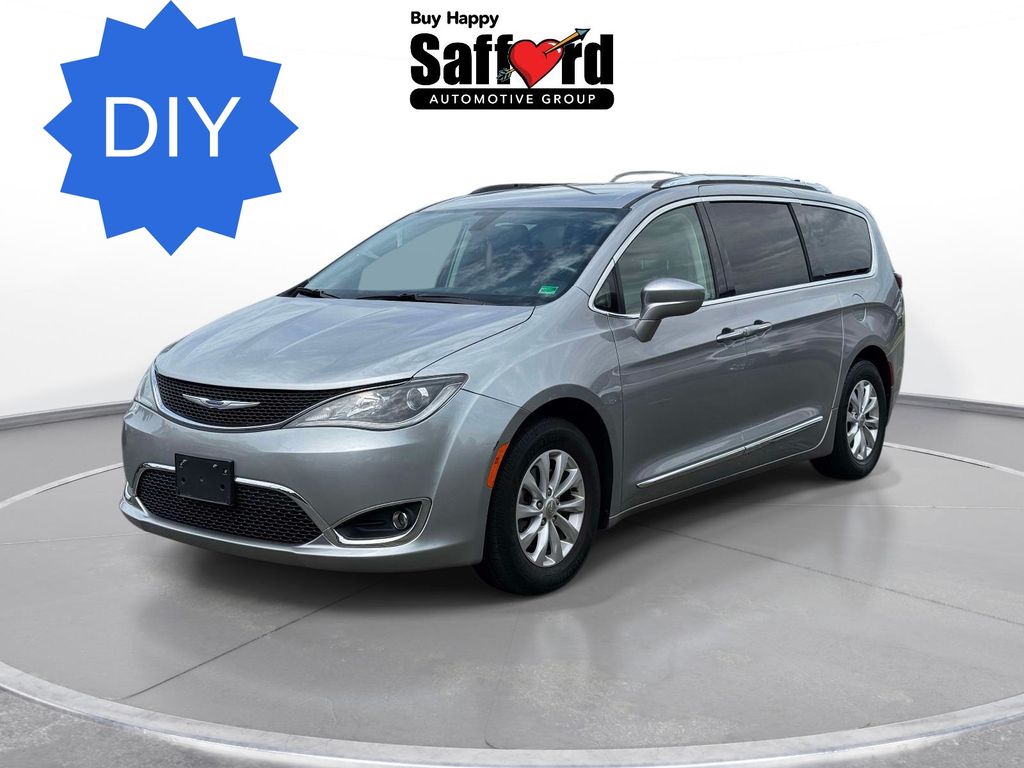
A used van is either a minivan or a cargo van, and confusing the two wastes everybody time. Minivans are built around people, with seats that fold into the floor and doors that slide for a reason. Cargo vans are built around a load floor and usually have nothing at all behind the front seats.
Within minivans, the difference between a plain and a loaded example is enormous. Power doors, rear climate control, built-in shades and seat layouts all vary, and any one of them can be the reason a van works or does not work for your family. On a used one you take what that particular vehicle was built with.
- Minivans and cargo vans kept clearly apart
- Seat and door options confirmed van by van
- Roof height matched to how you work inside it
Cargo vans vary just as much, mainly in roof height and wheelbase. A taller roof means working inside without stooping, and most trades value that more than extra length. Tell us what goes in the back and we can point at the right shape immediately.
Bring the thing you need to carry if you can manage it. Measuring it against a real van beats guessing from a brochure by a distance.
Looking a Used Van Over Properly
Vans lead hard lives and used ones deserve a careful look. A family van has carried spilled drinks, car seats and years of school runs. A work van has carried tools that slide around and doors that opened a hundred times a day.
So we look where that wear actually shows: the sliding door tracks, the rear suspension, the floor under the mats and the seat mounting points. Those are the parts that tire first and the parts that cost real money to put right. You will hear what turned up either way.
- Sliding door tracks tested rather than eyeballed
- Floor and seat mounts checked underneath the mats
- Time to fold every seat yourself before deciding
Take your time in the back rows. Sit where your kids will sit, fold the seats yourself, and open the doors a few times. A van that feels awkward to operate in a quiet showroom will feel considerably worse in a rainy lot with your arms full.
Vans reward patience during the inspection. A slow half hour of poking around now saves a great deal of irritation later.
Paperwork, Coverage and What Comes After
Financing a used van looks much like financing anything else, but the decision people genuinely agonize over is what to do about coverage afterward. Vans get used harder than most vehicles, and the parts that fail on them are not always cheap. That makes the question a fair one rather than an upsell.
An extended service contract, sometimes called a vehicle service plan, covers specified repairs once the original warranty has ended. It is not insurance and it does not cover maintenance or wear items, so the list of what is actually included matters more than the headline. For a hard-working family van it can make sense, and for a lightly driven one it often does not.
- Service plan terms shown in full, exclusions included
- Coverage matched to how hard the van will be worked
- A plain answer when a plan is not worth buying
We will show you the terms rather than the brochure summary. If the exclusions make a plan a poor fit for how you drive, we will say so plainly. Nobody here works on the assumption that every van needs one.
Decide about coverage after you have chosen the van, not while you are choosing it. Those two questions get muddled constantly and each deserves its own attention.
Doors, Seats and the Details That Matter Daily
Sliding doors are the reason minivans survive. In a narrow Alexandria parking space a sliding door opens fully without touching the car beside you, which no hinged door can manage. Anyone who has wrestled a child seat between two parked cars understands this instantly.
A low floor is the other quiet advantage. Children climb in without being lifted, older passengers step across rather than up, and heavy items slide in instead of being hoisted. Those small differences add up across a week.
- Sliding doors that clear the car parked alongside
- A floor low enough to step into rather than climb up to
- A wider turning circle you can feel on the drive
The tradeoff is that vans drive like what they are. They lean a little more, they take longer to stop, and they need a wider turn than the crossover you might be replacing. None of that is a problem once you expect it, which is exactly why the test drive matters.
Drive one before ruling it out on image alone. A surprising number of people arrive to look at a three-row crossover and leave in a van because the doors settled it.
A van is the answer when the thing you carry does not fit anything else, and around here the deciding factor is nearly always the space where it has to park. Sort that out and the rest is straightforward. Safford Mazda Alexandria can help you measure it before you start shopping.