






Frequently Asked Questions about Used Cars Under $20K Alexandria, VA
What features should I expect under $20,000?
A backup camera, phone integration through the touchscreen and a solid set of basics are common at this level. Heated seats, a power driver seat and better audio are the things that separate one car from another, so decide early which of them you actually want.
Is a car in this range going to need work soon?
Some of it will, and tires, brakes, belts or suspension bushings are the usual items. Ask what is close to due before you buy, because a disclosed cost is easy to plan for and a surprise one is not.
What happens if I owe more on my car than it is worth?
That gap can be paid off, rolled into the new loan, or avoided by waiting a while before changing vehicles. It is common and workable, but you should see exactly what each option does to your total before choosing one.
Is an older well-equipped car better than a newer plain one?
It depends entirely on which one was looked after, since condition matters more than trim level at this price. In practice a plainer car in good shape tends to be the calmer ownership experience.
Does city driving in Alexandria wear a car out faster?
It is harder on brakes and suspension than highway driving is, but annual mileage here is usually low, which more than compensates. A car in this bracket can serve a short local commute for a long time.
Have Additional Questions?
There is a common belief that a smaller budget means settling for whatever happens to turn up.
It does not. Safford Mazda Alexandria finds it means being specific about the two things you care about and patient about everything else, which is a completely different exercise.
Tell us what those two things are and we will handle the patient part for you.
Features That Survived the Price Drop
Under $20,000 the equipment question gets sharper. You are unlikely to get everything on your list, so the exercise becomes deciding which two or three items you would genuinely miss. People who do that first shop far more efficiently than people who do not.
Some things are close to universal at this level now: a backup camera, a touchscreen that pairs with a phone, and air conditioning that still works properly. Others remain real differentiators, particularly heated seats, a power driver seat and a sound system worth listening to. Knowing which camp a feature falls into keeps expectations sensible.
- Two or three must-have features identified before browsing
- Comfort on your daily route treated as a feature in itself
- Cabin noise judged in person rather than from photographs
The one thing worth paying up for is comfort on the drive you actually do. If you commute daily, seat support and cabin noise will shape your life more than any screen will. Those are also the two things a listing cannot tell you about.
Write the short list down before you arrive. It is remarkable how effectively a written list protects you from a shiny distraction on the lot.
Building a Shortlist You Can Actually Drive
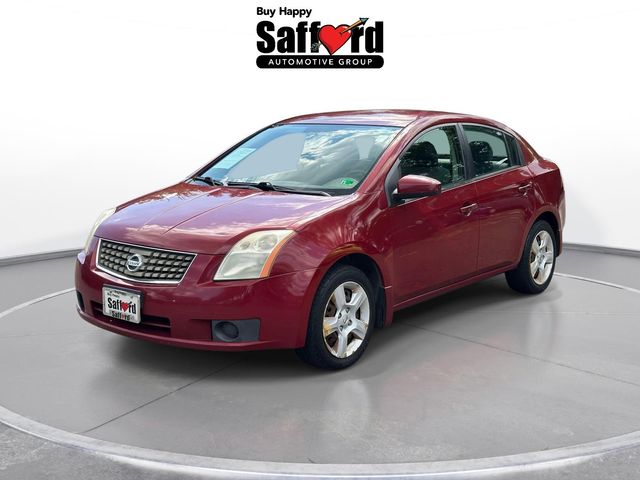
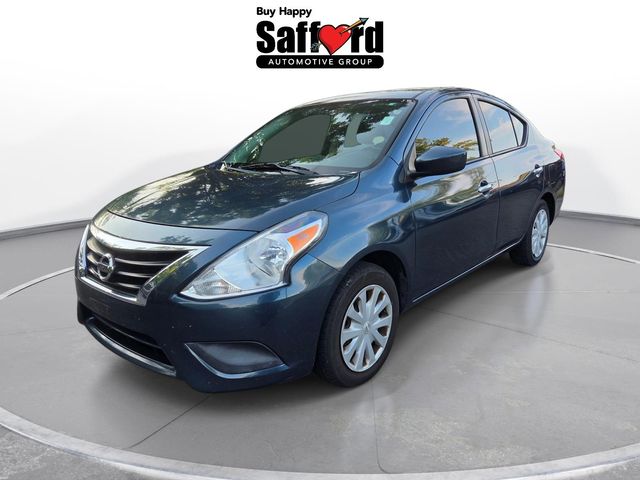
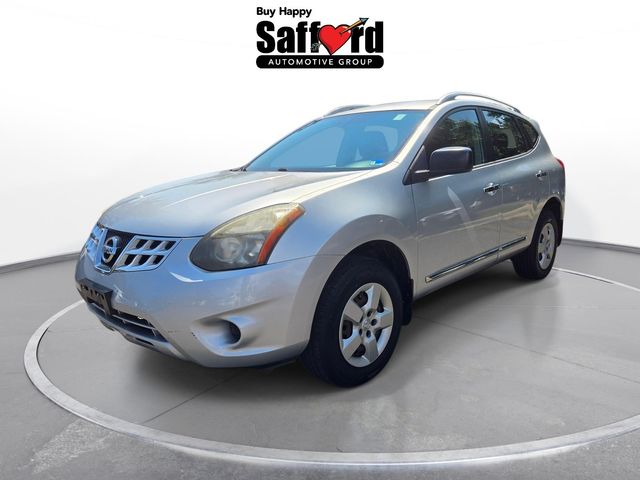
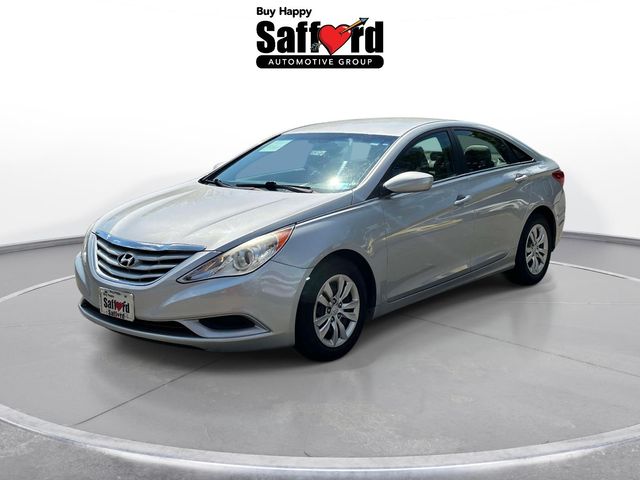
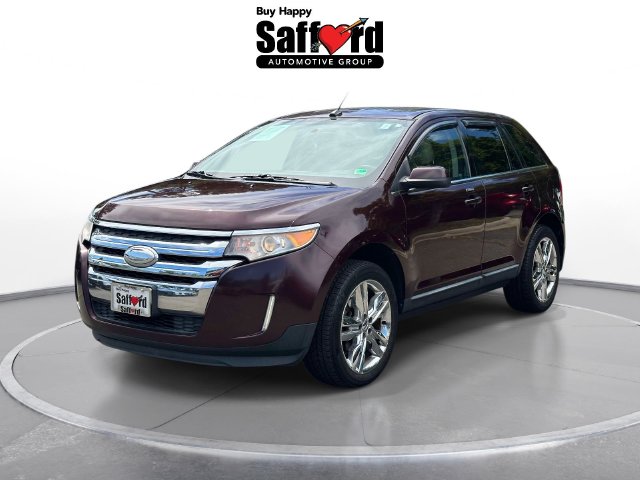
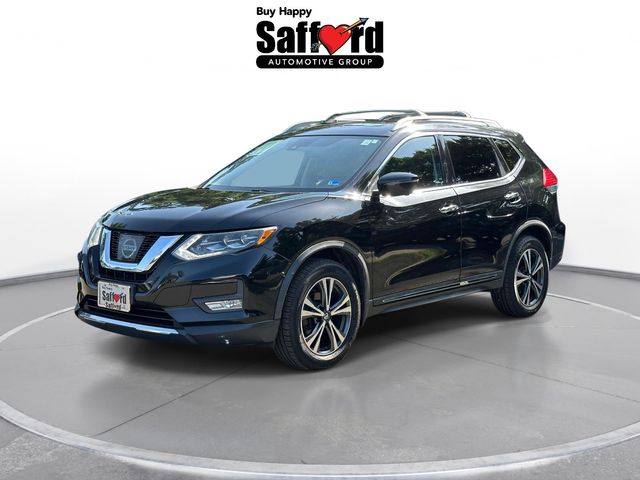
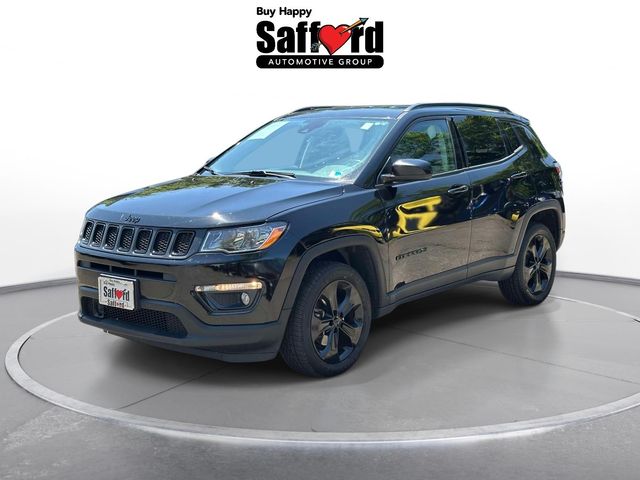
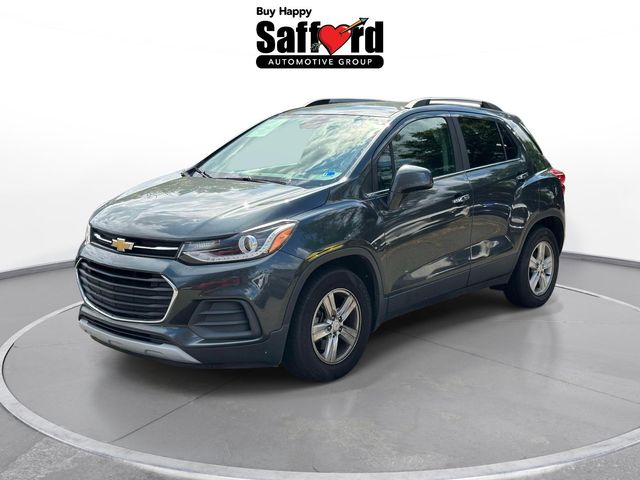
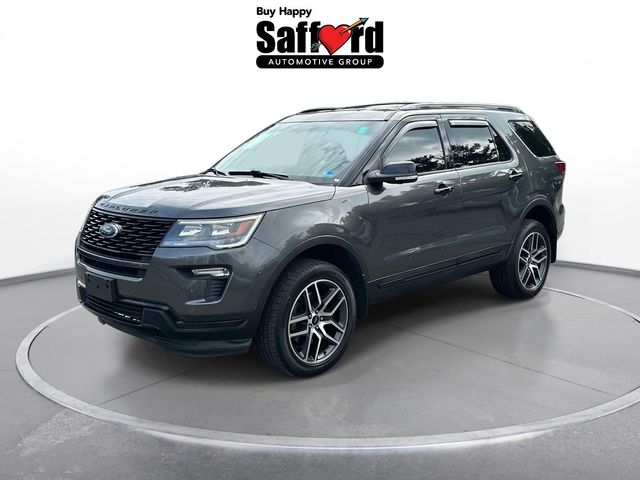
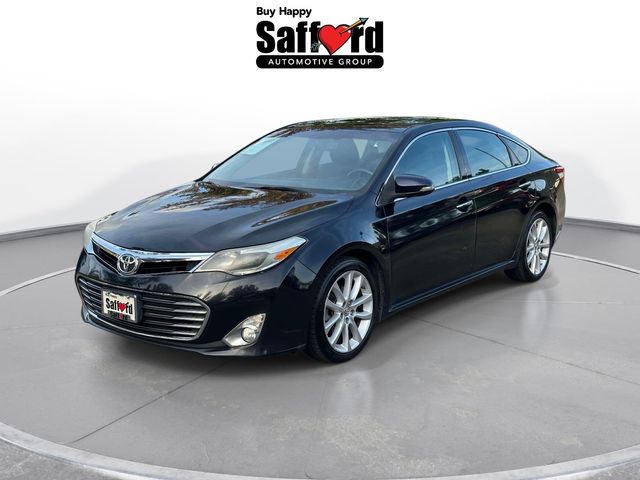
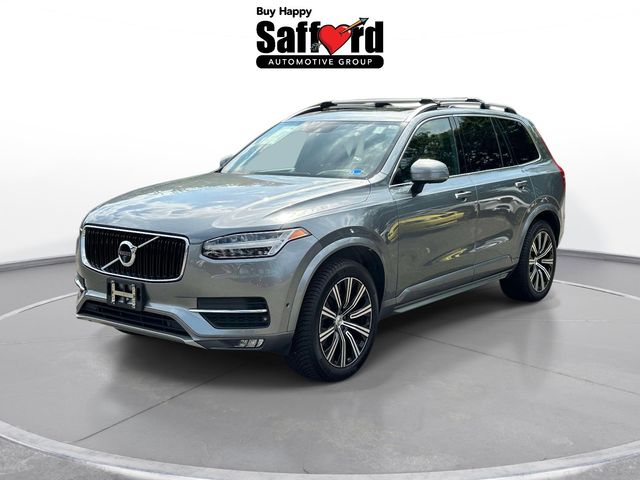
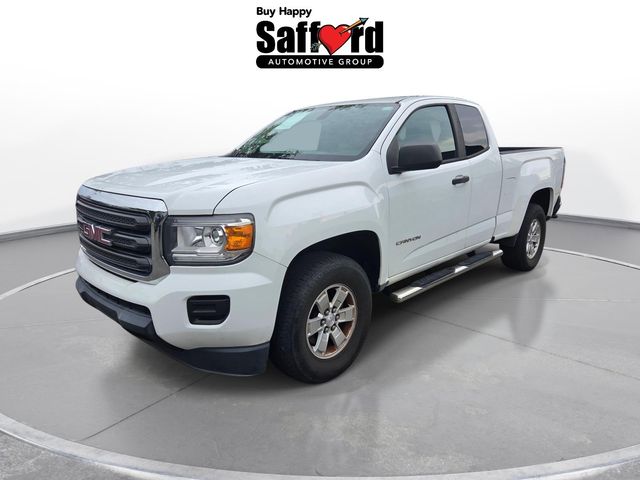
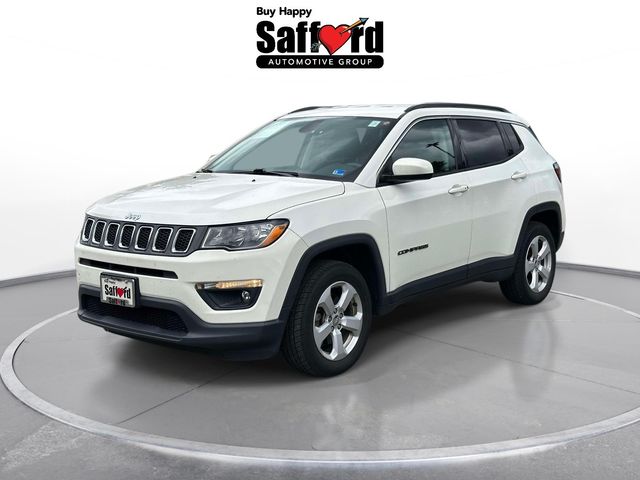
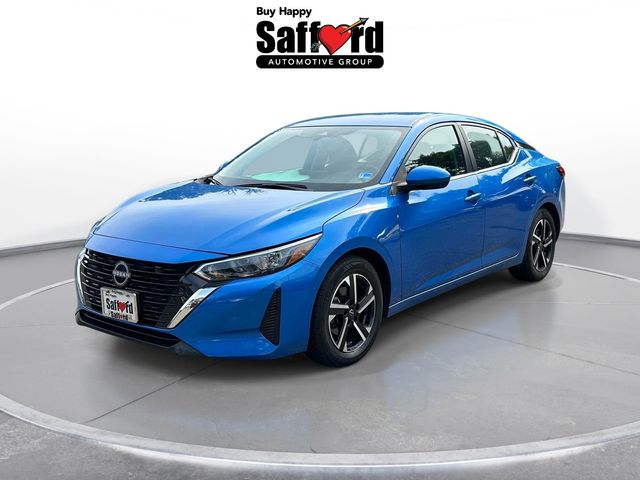
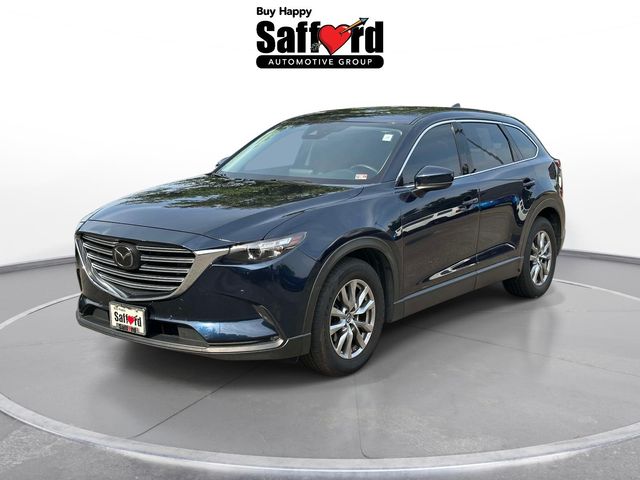
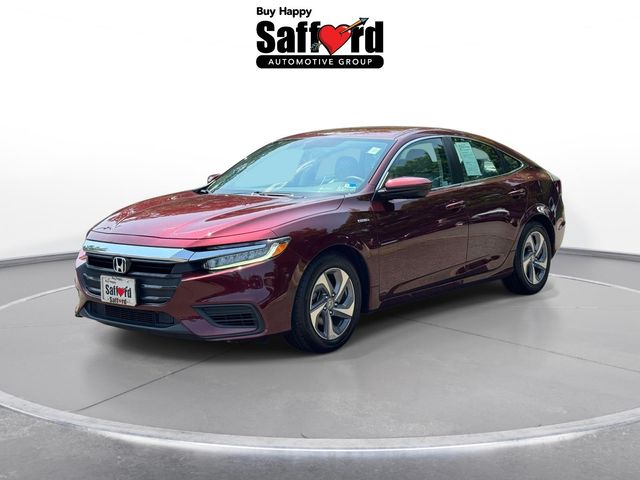
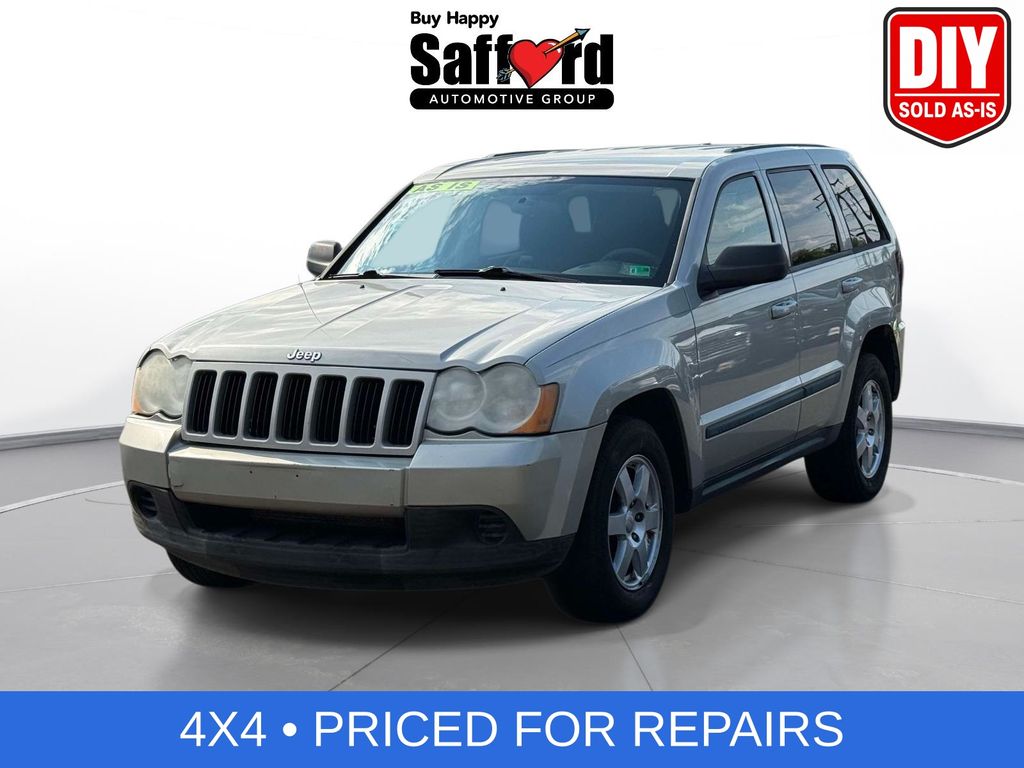
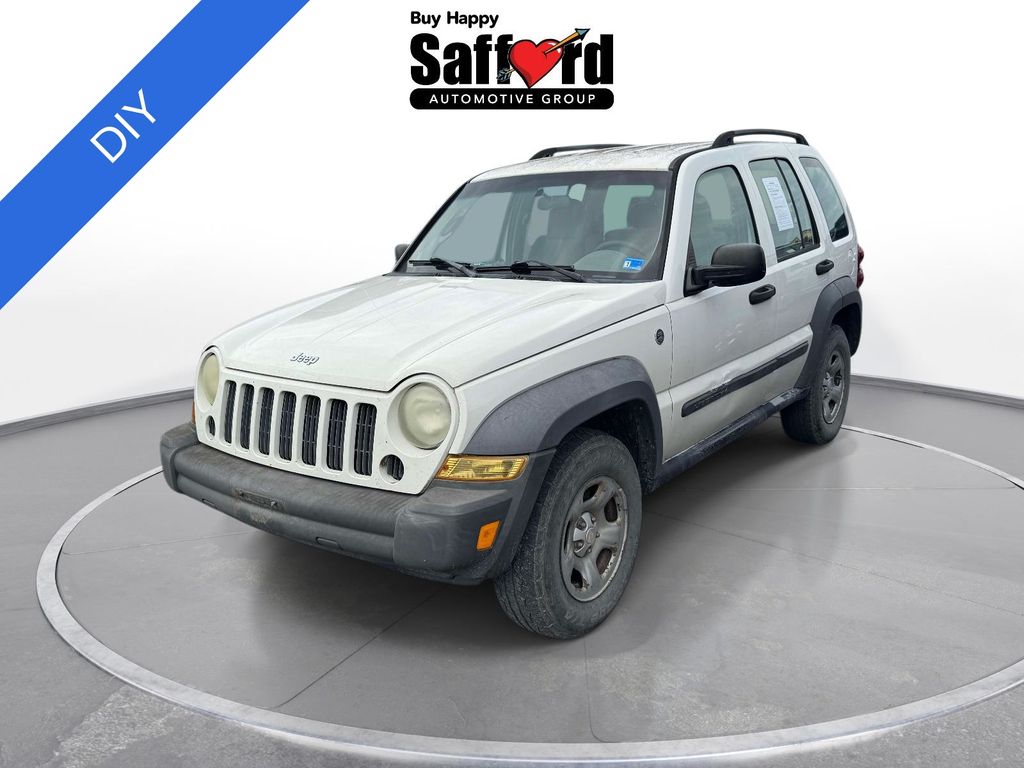
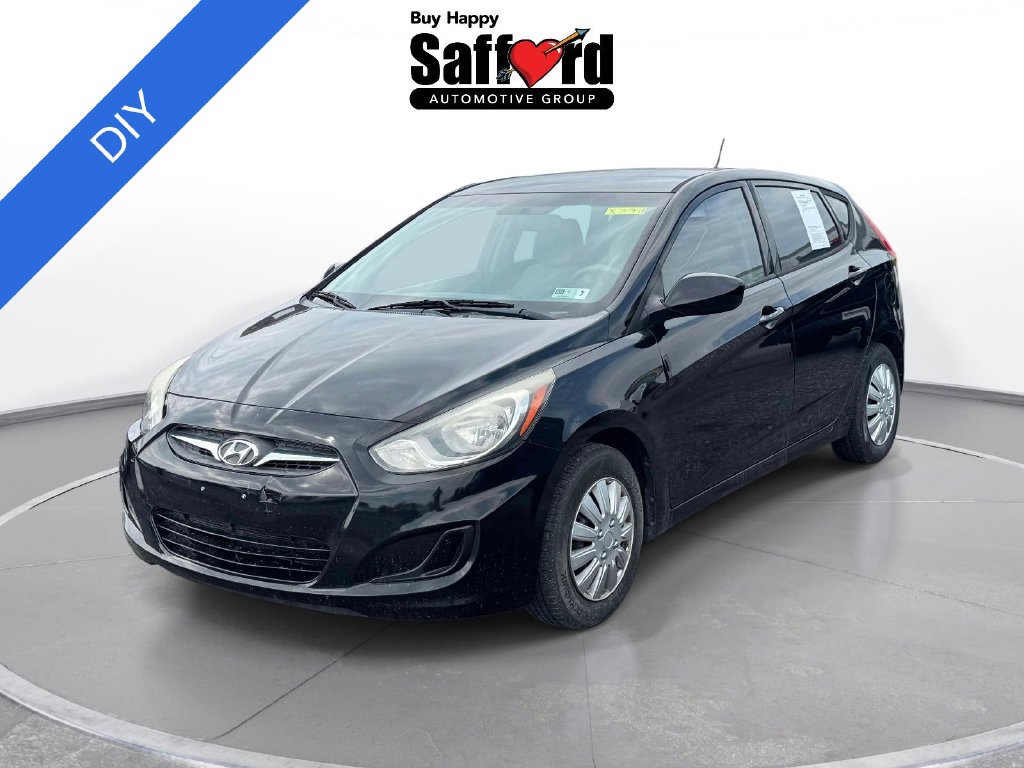
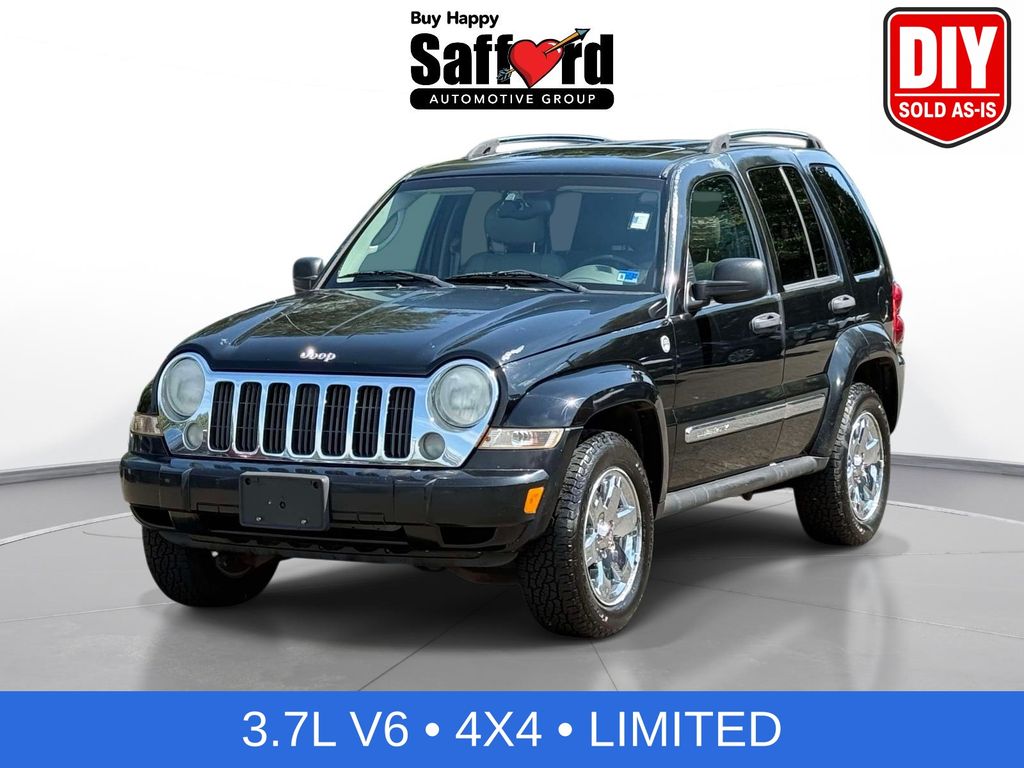
There is plenty available under $20,000 and the selection changes constantly. Compact cars dominate, midsize sedans are well represented, and smaller crossovers turn up regularly. Larger vehicles appear too, though usually with more miles behind them.
The thing to watch in this band is the spread in condition. Two cars with similar mileage and the same badge can be in genuinely different shape, and price gaps that look arbitrary usually are not. Ask why one is cheaper and you will normally get a specific answer.
- Compact and midsize options lined up together for comparison
- Price differences inside the band explained on request
- Three candidates pulled at once rather than one at a time
Have us pull three candidates rather than one. Comparing in person is the fastest way to calibrate what this budget really buys, and it stops the first car you see from quietly becoming the standard.
Give yourself one proper comparison visit before deciding. It is the cheapest research you will ever do on a car.
Condition Counts for More Than the Badge
Cars in this range are old enough that some things will need doing, and pretending otherwise helps nobody. Tires, brakes, wiper blades and suspension bushings are the usual candidates. Nothing on that list is alarming, and every item is far easier to accept when it arrives disclosed rather than as a surprise.
We check for those items on every car that comes through and we will tell you what is close to needing attention. That is not us talking you out of a vehicle, it is you knowing what your first year looks like. A surprise in month three is what sours people on used cars.
- Wear items flagged before you buy rather than afterward
- A clear picture of what the first year is likely to need
- Work either completed up front or reflected in the price
If something is due soon we would rather sort it before you take the car, or price it in openly. Either of those beats sending you off with a bill you never saw coming.
Ask what is coming due. It is the most useful question in this price range and hardly anybody thinks to ask it.
Owing More Than the Car Is Worth
A lot of people arrive in this band because they want out of a payment that grew too large. That is a good reason to be here and a common one. The complication is what happens when the car you are leaving is worth less than the loan against it.
That gap has a name and it is not unusual. The balance can be rolled into the new loan, paid off directly, or sometimes reduced by waiting a few months before changing cars. Which route makes sense depends on the size of the gap and how urgently you need to move.
- The gap between loan balance and trade value shown plainly
- Options for handling that gap laid out side by side
- The long-term effect of rolling a balance forward explained
What matters is that you see the whole picture before signing. Rolling a balance forward makes the monthly figure look fine while quietly extending the problem, and you should make that choice knowingly rather than by accident. We will show you both versions on paper.
This is fixable and extremely common. It only becomes a real problem when nobody explains it before the paperwork gets signed.
Driving Less and Spending Less Around Alexandria
Alexandria driving is short and frequent, which is unusually kind to a smaller budget. Annual mileage tends to be low, fuel spending stays modest, and a car in this bracket lasts a long time when it is not covering highway miles all week. That works in your favor here.
It also means you can be pickier about size than the budget alone suggests. If your commute is short and your parking is tight, the practical vehicle and the affordable vehicle are frequently the same car. That is not true everywhere.
- Low annual mileage stretching what a modest budget buys
- Practical size and affordable price often landing on one car
- Rough pavement built into the test route deliberately
The things that punish a car around here are potholes and constant braking. So on a test drive, take it down a street that has not been resurfaced lately and listen for what the suspension does over the worst of it. That one stretch tells you a great deal.
A car that copes well with city streets will outlast one chosen on paper. That is worth a few minutes of deliberately awkward driving before you buy.
There is no clock on this from our side. Take a week, drive a few, and come back when the choice is obvious to you rather than to us. Safford Mazda Alexandria will still be here, and so will an honest answer about what is available under $20,000.