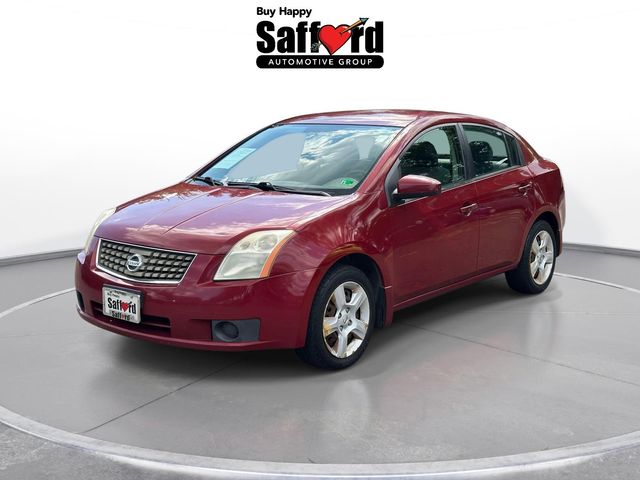

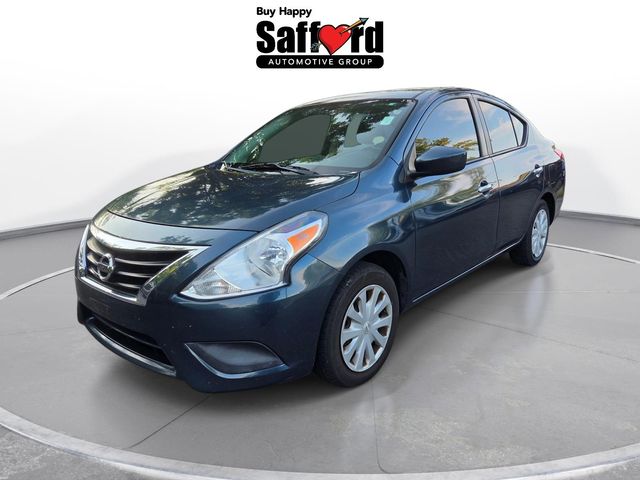


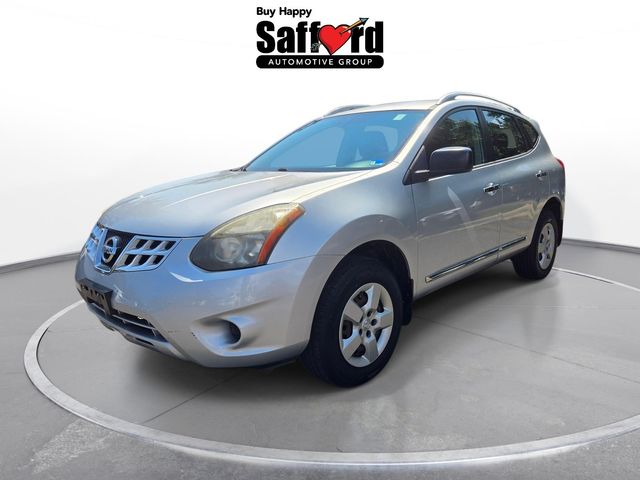

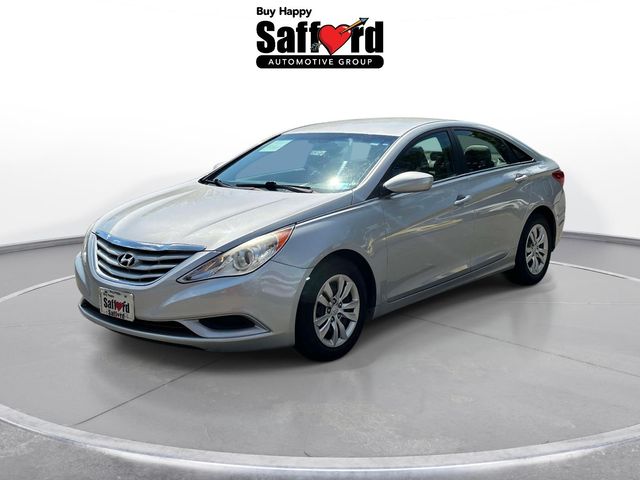











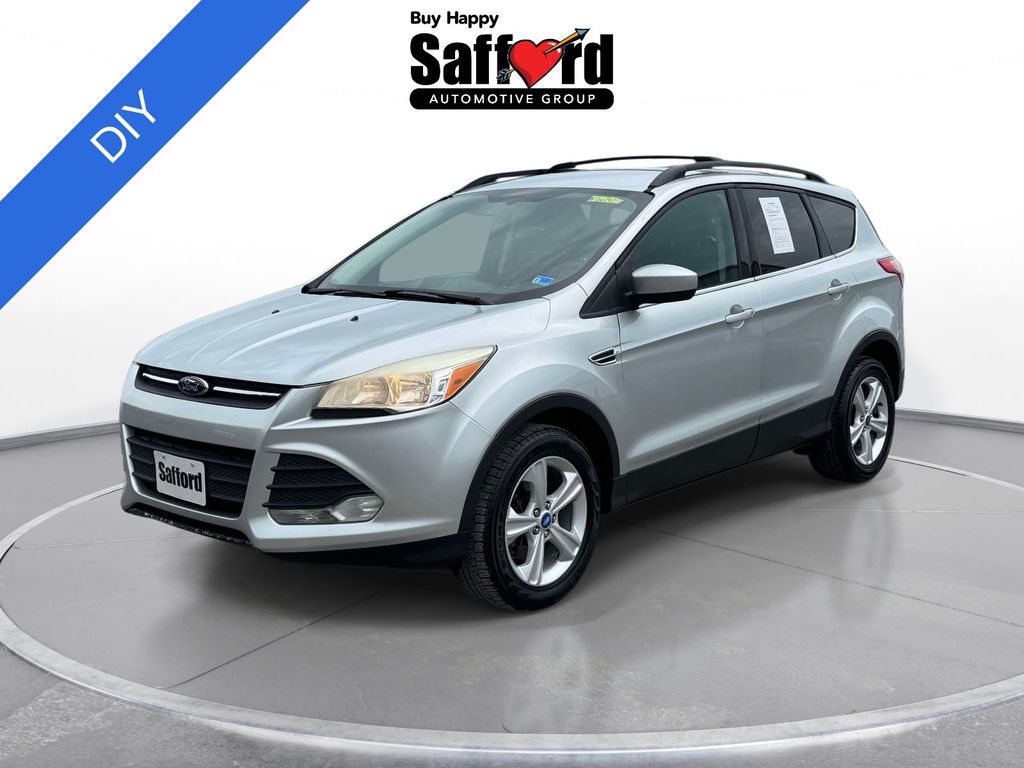

Frequently Asked Questions about Used Cars Under $15K Alexandria, VA
What should I expect from a car under $15,000?
Higher mileage and visible wear are normal at this price and they are not the problem. What matters is that the mechanical condition is sound and the history is explainable, and both of those are things you can check before you buy.
Does a reported accident mean I should walk away?
Not on its own. A repaired cosmetic knock is very different from structural damage, so ask what was actually done to the car and let the quality of that repair guide you rather than the entry on the report.
How many previous owners is too many?
There is no fixed number, but a run of short ownerships is worth asking about, since it can mean a fault was being passed along. A single long ownership usually signals more consistent care.
How much should I set aside for repairs in the first year?
Enough to cover tires, brakes and fluids, because those are the items most likely to come due on a car of this age. Anything larger should have been caught by the inspection before you bought it.
Can I finance a car in this price range?
Usually yes, though the terms available on older vehicles differ from those on newer ones. Come and talk it through, because the practical answer depends on the specific car as much as it depends on you.
Have Additional Questions?
Worried that a car at this price is a gamble? Safford Mazda Alexandria hears that most weeks.
It is only a gamble if nobody checks. A history report, a proper inspection and an honest conversation remove most of the risk before your money moves.
Ask for all three on any car you are considering.
Spending Carefully at the Lower End
Under $15,000 the conversation changes character. You are no longer choosing between a nice car and a nicer one, you are choosing which compromises you can live with comfortably. Being clear about that from the start makes the whole process calmer.
The compromise most people should accept is cosmetic. A scuffed bumper, a worn driver seat bolster or tired paint costs you nothing to live with and saves real money. The compromise nobody should accept is a car with a history that nobody can explain.
- Cosmetic flaws priced in rather than hidden
- Attention spent on paperwork instead of paintwork
- Compromises named out loud before you decide
So we spend the time here where it counts. Less on how the car looks in the sun and more on what the paperwork and the inspection have to say. At this price that is a far better use of an afternoon.
Safford Mazda Alexandria does not pretend a car in this bracket is something it is not. You will hear about the imperfections from us before you find them yourself.
Cosmetic Wear Versus Mechanical Health
The useful distinction at this level is between wear you can see and wear you cannot. Seats, trim and paint show their age loudly and cost very little to endure. Timing components, transmission behavior and suspension bushings say nothing at all until they say everything.
So a tidy looking car is not automatically the safer purchase. A well maintained vehicle with a tired interior is usually a sounder bet than a shiny one with an unexplained gap in its history. That is counterintuitive and it is consistently true.
- Visible wear separated from the wear you cannot see
- Air conditioning and heat tested during the drive
- Tidy paint treated as no substitute for maintenance
Equipment expectations should be modest and specific. Air conditioning that blows cold, a heater that works and windows that go up and down matter far more here than any infotainment feature. Check all three yourself before you get anywhere near the numbers.
Judge with your hands and your ears rather than your eyes. In this bracket the eyes are the least reliable of the three.
Knowing the Car Before You Own It
Every car we sell has a history report, and at this price you should read all of it. Prior accident damage, the number of owners, whether the car was a rental or a fleet vehicle, and any title branding all appear there. None of those is automatically disqualifying and every one of them affects what the car is worth.
Accident history in particular deserves some nuance. A repaired bumper from a parking scrape is not the same thing as structural damage, and a line on a report does not distinguish between them. We will walk you through what was actually repaired rather than leaving you to guess from an entry on a page.
- History report handed over before any talk about price
- Reported damage explained in terms of what was repaired
- Ownership pattern read as a signal rather than a verdict
Owner count tells its own story. A car with one long-term owner has usually been maintained on a consistent pattern, while a run of short ownerships can mean somebody was passing a problem along. It is a signal rather than a verdict.
Read the report while you are standing next to the car. Any question it raises is much easier to answer with the vehicle right there.
Planning for What Comes Next
Assume a car at this price will want something during your first year. That is not pessimism, it is arithmetic, since every consumable on the car has already had a life. Setting money aside for it is the difference between a good purchase and a stressful one.
The items that come up most often are tires, brakes, belts and fluids. Occasionally something larger appears, and the inspection exists to catch that before you own it rather than after. We would rather lose a sale than sell a car we would not put a relative in.
- Money set aside for the first year of consumables
- An inspection that catches the larger items before purchase
- A simple schedule that keeps an older car healthy
Once it is yours, the cheapest thing you can do is keep to a schedule. Cars in this bracket rarely fail because of age, they fail because somebody stopped paying attention to them. Regular oil and one thorough look over each year goes a very long way.
The people who do well with a car in this bracket are the ones who stay slightly ahead of it. That habit costs less than a single neglected repair.
Rolling Your Old Car Into This One
Trading at this end of the market works exactly as it does higher up, with one honest caveat. If your current car is worth very little, a private sale may net you more than a trade will. We will tell you when that is likely to be the case.
Where trading wins is on hassle and timing. You arrive in one car and leave in another the same afternoon, with no listing to write and nobody to meet in a parking lot. For plenty of people that is worth more than the difference.
- A frank answer about when a private sale pays better
- One visit instead of a listing and a string of strangers
- Title and paperwork checked ahead of the appointment
Bring whatever documentation you have. A title in hand and a set of records speeds everything up, and missing paperwork is the usual reason a straightforward trade becomes a two-visit process.
Ask which route makes more sense for your specific car. There is no advantage to us in you making the wrong choice about it.
A visit here usually runs like this. You read the history report, you drive the car on a road with some texture to it, and somebody tells you plainly what it is likely to want in the first year. Then you decide, or you go home and think about it, and Safford Mazda Alexandria is comfortable with either ending.